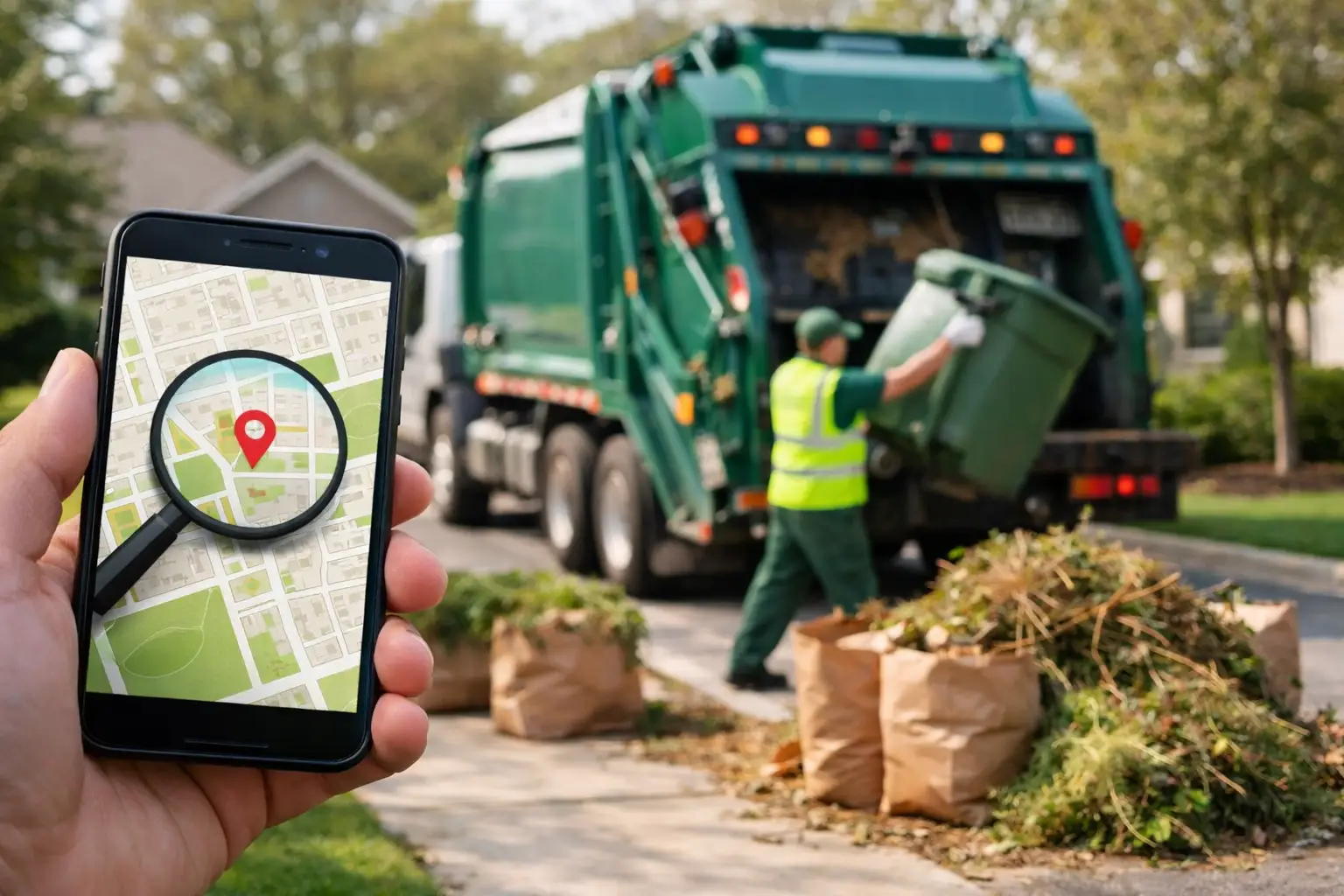
A bag of leaves left at the curb for a week is usually not a sorting mistake. More often, it is a schedule mistake. Yard waste pickup dates can change by neighbourhood, start later than expected in spring, end early in fall, and shift around statutory holidays. A general municipal calendar may tell you that collection happens on Tuesdays, but your address may follow a different zone, week, or seasonal route.
For households managing lawns, gardens, trees, rentals, or an aging parent's property, the practical goal is simple: know the correct pickup day before the bins and bags go out. That starts with an address-specific schedule, then a quick check that the material is prepared according to local rules.
Why yard waste pickup dates are easy to miss
Garbage collection is often weekly and familiar. Yard waste is different. Many Canadian municipalities run it only during spring and fall, while others collect it weekly or biweekly through the growing season. Some begin with a leaf collection period in October. Others combine yard waste with green-bin collection, then pause service once winter conditions arrive.
That seasonality creates the first problem: last year's routine may not apply this year. A municipality can adjust the first or final collection date based on operational planning, weather, contracted routes, or processing capacity. Even where the service itself has not changed, a calendar may be revised before the season begins.
The second problem is geography. Collection zones are not always obvious from a postal code or a nearby main road. Houses on opposite sides of an intersection can have different days. Apartment and condo residents may also need to follow a building's designated collection arrangement rather than the curbside schedule shown for individual homes.
Holiday weeks add another layer. A collection day may move by one day after a statutory holiday, or the municipality may keep the route unchanged. There is no safe national rule to assume. The official schedule for the exact address is the one that matters.
How to find the right yard waste pickup dates
Start with your full civic address, including the unit number where applicable. Municipal schedules are often assigned by route or collection zone, so an address lookup is more dependable than a citywide PDF or a search result from a previous season.
Check the current collection season
Before putting anything out, confirm that yard waste collection is active. Look for the current spring, summer, or fall service period and verify the next scheduled pickup, not just the usual weekday. If the schedule only displays garbage and recycling, your municipality may use a separate seasonal program, a depot, or a green-bin system for yard material.
The timing matters most at the beginning and end of the season. It is common to clear branches and leaves during the first warm weekend, only to find that curbside collection does not begin for another two weeks. The same issue appears in late fall, when one missed final pickup can leave several bags to store through winter.
Use the address, not a neighbour's routine
A neighbour's collection day can be a helpful clue, but it should not be the source of record. Route boundaries change, homes on corner lots can create confusion, and one household may be following an old schedule. Check the address that will actually place material at the curb.
This is especially useful for landlords and property managers. A single portfolio may include homes in different municipal zones, each with different yard waste dates and holiday adjustments. Keeping those schedules separate avoids costly-looking piles at the curb and unnecessary follow-up with tenants.
Confirm holiday-related changes
If your usual pickup falls near a holiday, check the updated date before the evening prior. Some municipalities push all remaining collections later that week. Others only change the affected route. A few maintain regular service despite the holiday.
Do not rely on a rule you remember from another municipality. Collection policy is local, and even nearby cities can handle the same holiday differently.
Prepare yard waste for collection day
Getting the date right is only half the job. Material can still be left behind if it is in the wrong container, too heavy, or includes items the local program does not accept.
Most curbside yard waste programs accept loose leaves, grass clippings, plant trimmings, garden waste, and small branches. Common requirements include paper yard waste bags, open-top reusable containers marked for yard waste, and bundled branches tied with biodegradable twine. Plastic bags are widely rejected because they interfere with composting and processing.
Rules vary, so pay attention to the details that affect collection:
- Bag and container weight limits can differ, often making a half-full bag more practical after rain.
- Branches may need to stay below a specified length and diameter, with bundle size limits.
- Soil, sod, rocks, lumber, animal waste, and invasive plants may require separate handling.
- Fruit and vegetable scraps may belong in the green bin rather than yard waste bags, depending on local service.
Set material out by the stated curbside time, often early in the morning. If you prefer to avoid a rushed morning routine, place prepared bags and bundles out the night before when permitted. Keep them clear of parked cars, snowbanks, utility poles, and the garbage or recycling carts so collection crews can reach each stream safely.
What to do when yard waste is not collected
When bags remain at the curb, first check whether the truck has completed the route. Collection can happen later than usual because of weather, volume, road work, or equipment delays. Leave the material out until the end of the day unless the municipality provides different instructions.
If the route has passed, check three things: whether that day was your scheduled yard waste date, whether a holiday shift applied, and whether the material met local preparation rules. A sticker or tag may identify the issue, but not every municipality uses one.
If your property has the right date and correctly prepared material, report the missed collection through the municipality's designated service channel. Include the address, collection stream, and a concise description of what was left out. Taking a photo can help document container type, placement, and volume if it is needed later.
Avoid adding more material to the curb while waiting for a response. An oversized pile can create a different issue, particularly during windy weather or when leaves obstruct sidewalks and storm drains.
A simpler way to keep track all season
The most reliable household system is not a printed calendar on the fridge. It is an address-level schedule that shows the next few weeks and alerts you before collection day. That approach works because it handles the two things people are most likely to miss: alternating or seasonal dates and holiday changes.
With CurbDay, enter an address to see the next four weeks of garbage, recycling, green-bin, and yard-waste pickups matched to the correct municipal collection zone. A reminder the evening before gives you time to bag leaves, move branches, or ask someone at another property to put material out. Premium options can also support multiple addresses and email backup reminders for households with more to manage.
A reminder does not replace proper sorting, but it removes the need to remember a changing schedule on top of everything else. Set the address once, check the next pickup when the yard work begins, and let the collection date stay where it belongs: handled before the bags reach the curb.