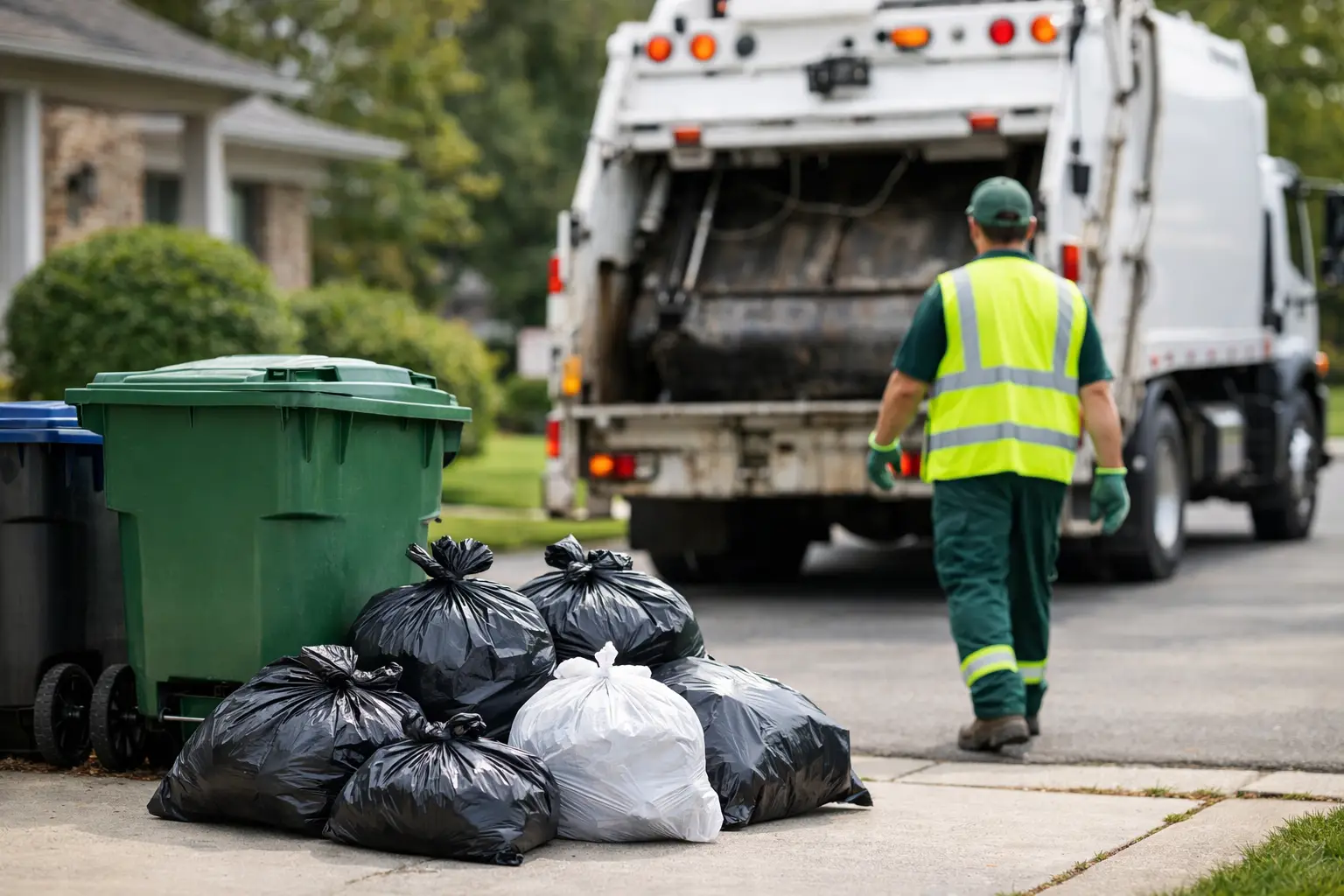
A missed garbage pickup usually starts with a small assumption: that collection is always on Tuesday, that recycling follows the same pattern, or that a holiday will not affect your street. Knowing how to avoid missed garbage pickup means replacing those assumptions with a simple routine built around your exact address, your municipality’s rules, and a reminder that arrives before the bins need to be out.
For most Canadian households, the challenge is not putting a bin at the curb. It is keeping track of alternating collection weeks, seasonal yard waste, changing routes, and holiday shifts while managing everything else at home. A reliable system should make collection day easier to remember, not add another calendar to maintain.
Start With Your Exact Collection Zone
Municipal collection schedules are often more complicated than they first appear. Two streets in the same neighbourhood may have different pickup days. Even homes on opposite sides of one road can belong to separate collection zones. A city-wide PDF or a general online calendar may be useful, but it is not enough if it does not confirm the schedule for your address.
Before relying on any schedule, enter your full address into an official municipal lookup or an address-specific collection service. Confirm the regular garbage day, recycling pattern, green-bin day, and any seasonal programs that apply where you live. If you have recently moved, do this early rather than waiting until bins begin to fill up.
This step matters most in municipalities with biweekly recycling or garbage collection. It is easy to remember the weekday while forgetting whether it is the correct week. An address-level schedule removes that uncertainty.
Keep the Next Four Weeks Visible
A yearly collection calendar contains useful information, but it asks you to do too much of the remembering. You have to find the right month, interpret symbols, track alternating weeks, and notice exceptions. A shorter view of the next four weeks is often more practical because it shows what is about to happen.
Keep that view somewhere your household will actually use it. For some people, that means a shared digital calendar. For others, it may be a note on the fridge or a printed schedule near the entryway. The important part is that everyone responsible for taking bins out can see the next collection date and material type.
Look for a schedule that clearly separates garbage, recycling, green-bin, and yard-waste collection. A single date is not enough when different materials follow different rules. Clear labels reduce the chance of putting out the wrong bin or leaving the right one behind.
Make One Person Responsible, With a Backup
In busy homes, waste collection can become everyone’s job and therefore nobody’s job. Decide who normally brings bins to the curb, then make sure one other person can step in if that person is away, working late, or simply forgets.
A shared reminder works better than a verbal reminder at dinner. For a rental property or a parent’s home, the backup may be a landlord, property manager, adult child, neighbour, or caregiver. The system should suit the property, not assume every household works the same way.
Set a Reminder for the Evening Before
The best time for a collection reminder is usually the evening before, not the morning of pickup. By morning, you may already be commuting, taking children to school, or dealing with bad weather. A 6 p.m. reminder gives you time to check the bins, sort any last items, and place them at the curb before the day gets away from you.
Use a reminder that identifies what will be collected. A notification that says collection tomorrow is helpful. One that says green bin and recycling tomorrow is better because it tells you exactly what to prepare.
CurbDay is designed for this routine: enter an address, see the next four weeks of verified collection dates, and receive an evening-before reminder. It also accounts for official holiday schedule changes, which are among the most common reasons households miss pickup.
If you use a basic phone calendar instead, create separate recurring events for each stream of collection. Review them against the current municipal schedule at the start of each season. Recurring events are convenient, but they can become inaccurate after a route change or holiday adjustment.
Check Holiday and Seasonal Changes Early
A regular collection schedule is only reliable until an exception appears. Statutory holidays, winter storms, road closures, municipal service changes, and special events can all affect pickup. Municipalities may move collection by one day, delay it for a full week, or issue separate instructions for affected zones.
Holiday changes deserve special attention because they happen when households already have more waste than usual. After a long weekend, a missed garbage day can quickly become a storage problem.
Check for changes before major holiday periods rather than on collection morning. Watch especially around New Year’s Day, Family Day, Easter, Victoria Day, Canada Day, Labour Day, Thanksgiving, Christmas, and Boxing Day. The exact impact depends on your municipality, so avoid assuming that every holiday causes the same one-day delay.
Seasonal materials also have their own rules. Yard waste may begin and end on specific dates, require paper bags rather than plastic, or be collected every other week. Leaf collection, Christmas tree pickup, and bulky-item days are often separate from regular garbage service. Add those dates to your household plan only after confirming the local instructions.
Prepare Bins Before the Truck Arrives
A bin at the curb can still be missed if it is set out too late or does not meet local requirements. Most municipalities require carts and bags to be out by a specific early-morning time. If you wait until you hear the truck, it may already have passed your address.
Put bins out the night before whenever local rules allow. Place them where the collection crew can access them, with wheels and handles positioned according to municipal guidance. Leave enough space between carts and keep them clear of parked vehicles, snowbanks, utility poles, and overhanging branches.
Avoid overfilling bins. Lids that cannot close, loose materials, extra bags placed where they are not permitted, or contaminated recycling may result in items being left behind. This can look like a missed pickup, but it is often a service issue caused by placement or sorting.
Use a Quick Night-Before Check
Before bringing bins out, take 30 seconds to confirm four things:
- It is the correct collection day for your address.
- The correct bins are at the curb.
- Bins are accessible and not blocked by vehicles or snow.
- Lids close and materials meet local sorting rules.
That small check is especially useful after a holiday, during a snowstorm, or when your usual household routine changes.
Plan for Snow, Travel, and Busy Weeks
Winter adds practical obstacles to collection day. Snowbanks can block carts, icy walkways can make it unsafe to move heavy bins, and parked cars may limit access. Clear a safe path to the curb and leave bins where crews can reach them without climbing through snow. Do not place carts on top of snowbanks unless your municipality specifically instructs residents to do so.
Travel is another common reason for missed service. If you will be away, ask a neighbour or family member to put bins out and bring them back in. For longer absences, consider whether setting out bins is necessary at all. An empty or lightly filled bin can wait, but missed recycling or green-bin collection may be harder to manage depending on your household.
For landlords and property managers, multiple addresses make manual tracking difficult. Keep each property’s schedule separate and ensure tenants know where bins belong, what day they go out, and who is responsible when a holiday changes the usual routine.
Know When It Is Actually a Missed Pickup
If your bins were out on time and remain full after nearby homes have been serviced, check the obvious details first. Confirm that your address was scheduled for collection that day, that you set out the right material, and that there was no posted delay. Look for a tag or notice explaining contamination, weight limits, or improper placement.
If none of those explains the issue, report the missed pickup through your municipality’s established service channel as soon as possible. Have your address, collection type, and the date ready. Some municipalities require reports by a deadline and may return only if the issue is logged promptly.
Take a quick photo of the properly placed bin if access, snow, or placement could become a question. You should not need it often, but it can help document that the bin was ready before the truck arrived.
A dependable collection routine is not about remembering more. It is about relying on the right information at the right time. Set up an address-specific schedule, get the reminder before bins need to go out, and give yourself a brief check on exception weeks. Then collection day can stay where it belongs: handled.